Kae Sa Lak (แกะสลัก) is the traditional art of Thai fruit and vegetable carving. It is much more than a way to decorate food. It is a delicate craft that shows Thailand’s love of beauty, patience and skilled handwork.
With just a small knife and simple ingredients, Thai carvers turn fruit and vegetables into flowers, leaves, animals and decorative pieces.
What Is Kae Sa Lak?
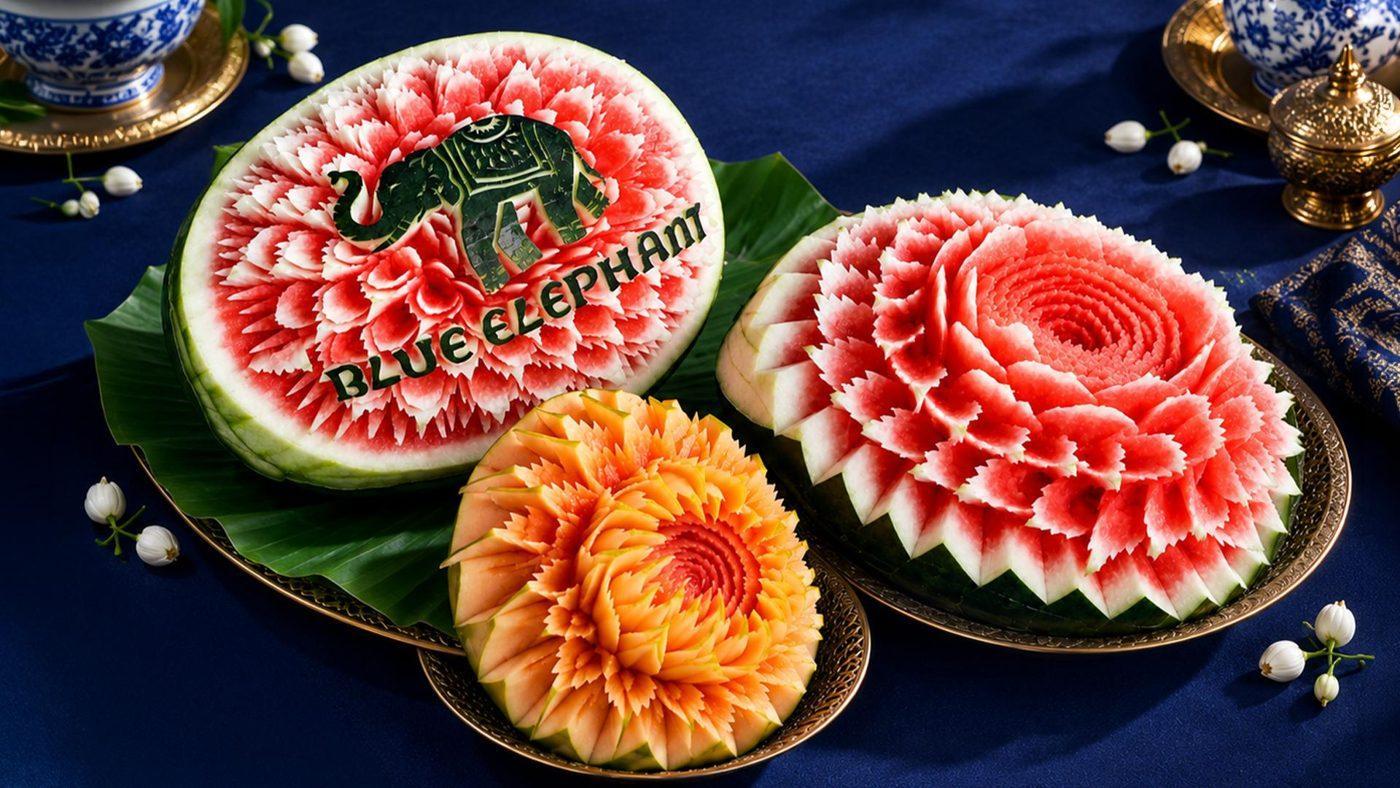
In Thai, kae sa lak simply means “to carve”. In the kitchen, it refers to carving fresh fruit and vegetables into detailed shapes that make food look beautiful.
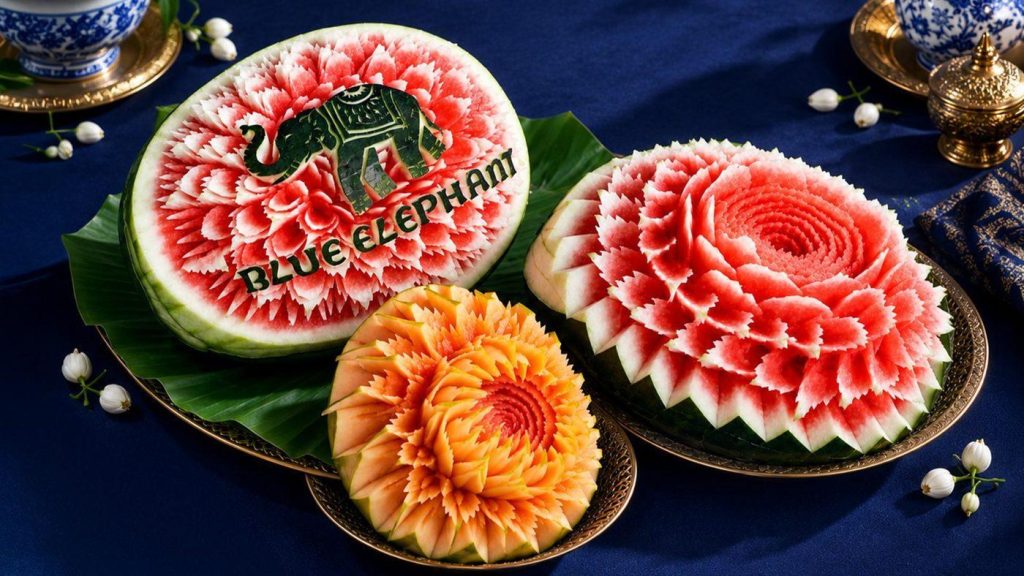
You will often see it on watermelons, papayas, carrots, mangoes and shallots, used to decorate dishes, dining tables and special events.
A Tradition With Royal Court Roots
Thai fruit carving has a history of more than 700 years, with origins traced back to the Sukhothai period.
Historical accounts link the craft to the royal court. There, carving was seen as an advanced skill and was taught to women in royal and noble households.
Over time, the knowledge spread beyond the palace. It became part of Thai education and everyday life. Today, Thai fruit and vegetable carving is recognised as part of Thailand’s intangible cultural heritage in traditional craftsmanship.
Turning Nature Into Art
Most Thai carving designs are inspired by nature. Common patterns include:
- Flowers: lotus, rose, jasmine and chrysanthemum
- Leaves and vines
- Animals: birds, butterflies and fish
The beauty of Kae Sa Lak is how it turns something ordinary into something delicate and expressive. The natural shape, colour and texture of each fruit or vegetable become part of the artwork.
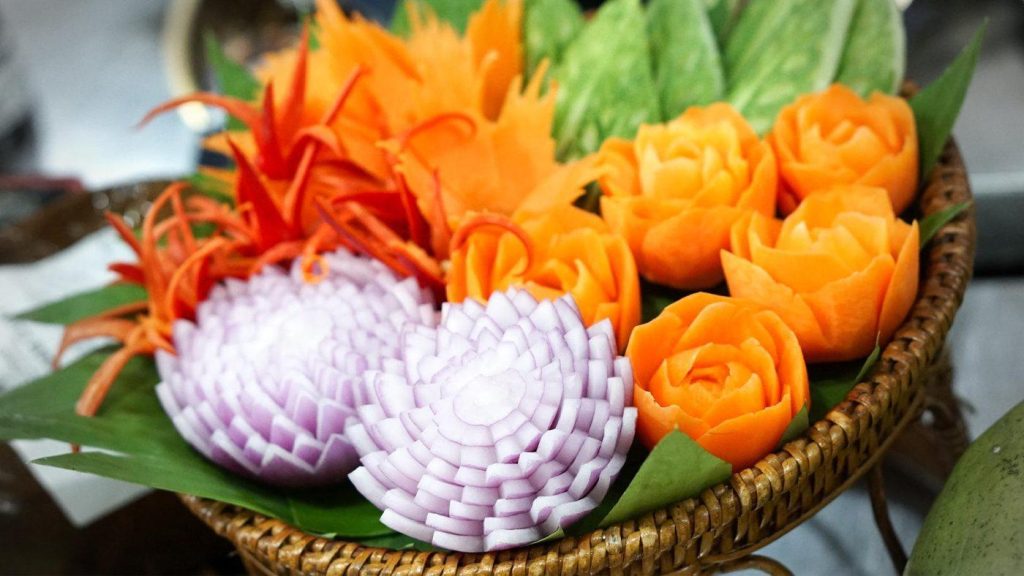
How Thai Fruit Carving Is Done: From Simple Knife to Intricate Art
Every carved piece goes through four basic stages:
- Raw ingredient: choose fresh fruit or vegetables with the right shape and firmness.
- Shaping: trim the ingredient into a base form for the design.
- Carving: cut petals, leaves or patterns with a small carving knife.
- Finished piece: refine the details and arrange the carving on the plate or table.
Beginners start with the basics: how to hold and control the carving knife, how to shape the ingredient and how to make simple patterns. With practice, carvers move on to detailed flowers, animals, containers and larger displays.
“A simple knife may be the tool, but precision comes from practice.”
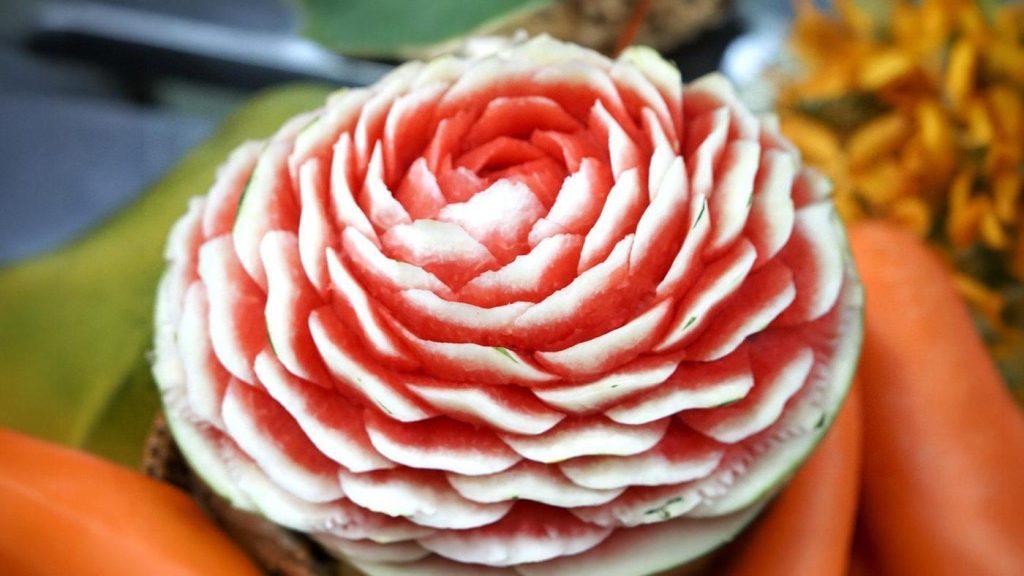
From Traditional Craft to Modern Thai Cuisine
Thai fruit and vegetable carving continues to grow beyond its traditional setting. Today you will find it in:
- Restaurants and hotels
- Dining tables and food presentation
- Weddings and special occasions
- Cultural events and exhibitions
A small carving can lift the look of a single dish. Larger pieces can become part of the whole dining experience. Either way, the craft brings together food, art and presentation.
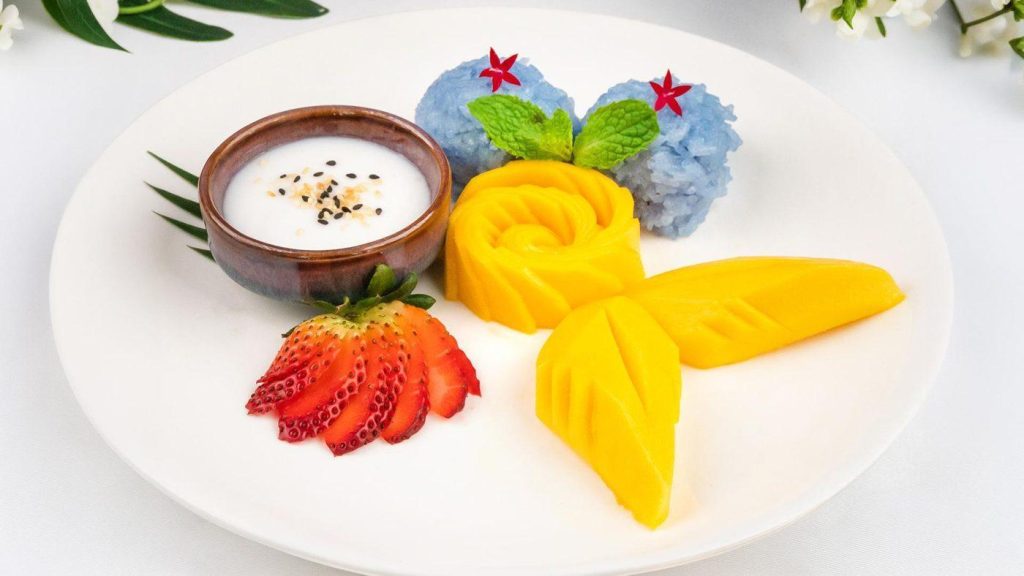
Experience Kae Sa Lak at Blue Elephant
One of the best ways to appreciate Kae Sa Lak is to see the craft up close.
At Blue Elephant Cooking School, guests explore Thai culinary traditions through hands-on cooking. Working with fresh ingredients and traditional techniques gives you a closer look at the patience, precision and creativity behind Thai cooking.
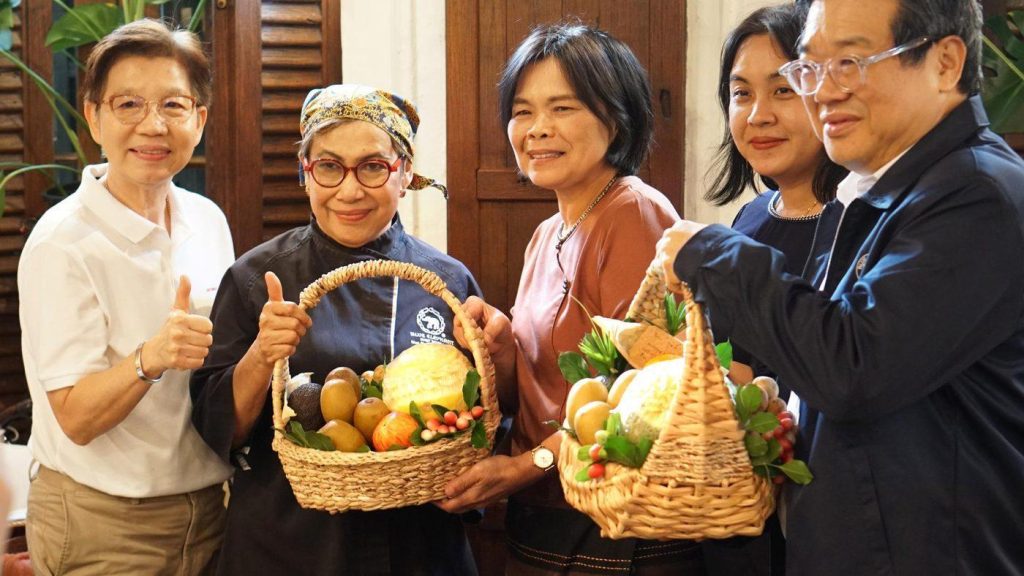
Why Kae Sa Lak Deserves to Be Preserved
Kae Sa Lak is more than food decoration. It is cultural heritage that passes knowledge, skill and creativity from one generation to the next. Its value can be seen in three areas:
- Cultural heritage: it keeps traditional Thai knowledge alive.
- Artistic beauty: it turns everyday ingredients into works of art.
- Social and economic value: it creates work in restaurants, hotels, carving schools, exhibitions and professional events.
Preserving Kae Sa Lak does not mean keeping it frozen in time. It means letting the techniques keep evolving while protecting what makes Thai carving unique.
Frequently Asked Questions
A: Kae Sa Lak (แกะสลัก) translates to “to carve” in Thai, referring to the traditional art of Thai fruit and vegetable carving. Originating in royal court kitchens, this culinary craft transforms fresh produce into intricate decorative flowers, leaves, and elaborate garnishes for dining presentations.
A: The craft is over 700 years old, dating back to the Sukhothai Kingdom in the 14th century. Closely tied to palace banquets and festivals like Loy Krathong, it evolved from an exclusive royal tradition into a world-renowned national art form.
A: Carvers prefer firm, crisp produce that holds sharp details. Watermelon is the most popular fruit due to its contrasting green and red layers, alongside papaya, cantaloupe, and mango. Common vegetables include carrots, cucumbers, daikon radishes, and shallots.
A: Yes. Beginners usually start with a specialized, flexible Thai carving knife (meed gae sa lak) and forgiving produce like cucumbers or carrots. Mastering simple blade angles and leaf shapes builds the foundation needed for complex floral centerpieces.
A Living Art of Thailand
A carved flower may start as a simple piece of fruit. Yet behind every curve and petal is knowledge built through practice and passed down through generations.
Kae Sa Lak is the art of turning nature into beauty, and a reminder that Thai culinary heritage is as much about craftsmanship as it is about food.